Strengthening movements for collective impact
Fostering collaboration and solidarity to drive progress on gender equality in Europe.

The challenge
Movements for gender equality are a powerful driver of change. Evidence shows that these grassroots movements are key to ending violence against women and girls, advancing sexual and reproductive health and rights, and leading pro-democracy efforts.
Yet, today in Europe, they face a well-organised and well-resourced backlash. Across the continent, anti-rights actors are driving democratic backsliding and overturning hard-won rights, threatening to undo decades of progress on women’s and LGBTQIA+ issues.

Resourcing movements
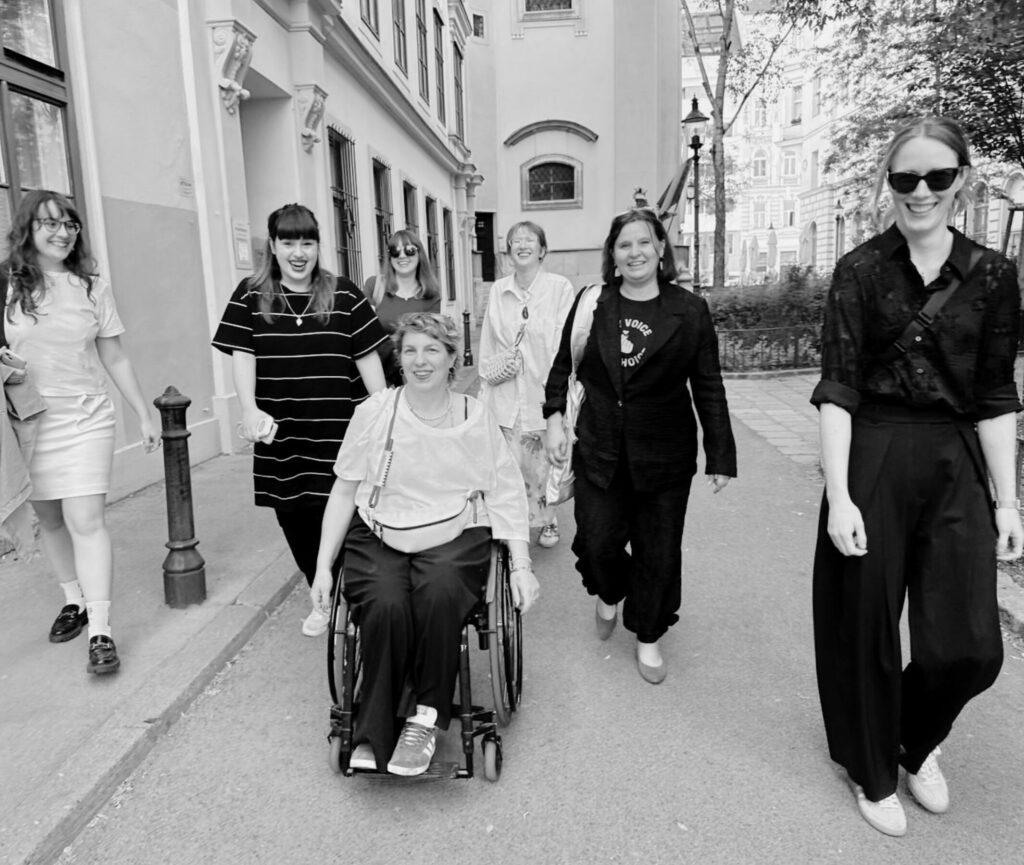
In 2025, the Alliance commissioned a mapping of movements advancing gender equality in Europe.
Drawing on in-depth interviews, the report captures how movements are building, organising, and transforming power, often with minimal resources and against significant odds.
These findings guided the creation of this Strengthening Movements Fund.
Our contribution

Strengthening grassroots organising
We support coalitions of grassroots organisations at the local, national and European level to build trust, shared strategies, and the collective power needed to drive lasting change.
Expanding alliances
We fund efforts to connect gender equality movements with allied causes – from climate justice to anti-racism and disability rights – recognising that intersecting movements are stronger when they work together.
Amplifying voices
We invest in narrative change training and collaborative campaigns, so that movements for gender equality can shape public debates, influence policy, and make their voices heard across digital and physical spaces.
Key figures
available in funding
per grant
grants
Apply for our grants
We are accepting applications for the Strengthening Movements Fund until 7 August 2026.
Please carefully review the call for proposals and the FAQs below.
The Alliance will organise two 1-hour Q&A webinars on 6 and 15 July 2026 to further explain the process and answer any questions you may have about the application and selection. If you would like to attend, please register in advance.
Applications must be submitted to our online platform Optimy. A PDF version of the application form can be downloaded here for reference.
Frequently asked questions
What is meant by grassroots?
Grassroots organisations are defined as being strongly grounded in, having direct relationships with and being accountable to the communities they support.
How many organisations can be in one coalition?
Coalitions must consist of at least 3 organisations. There is no maximum.
What are the target organisations for this call?
We will prioritise grassroots organisations supporting marginalised people defined as women, transgender, non-binary or gender non-conforming people who are low-income; from migrant, racialised or ethnic minority backgrounds; victims of violence; from rural or disadvantaged areas; living with disabilities; or perceived as young or old.
Can network organisations and intermediaries apply?
Yes, but only in coalition with small or medium-sized grassroots organisations. This means that there may only be one intermediary or network within a coalition.
What is an intermediary?
An intermediary is an organisation whose primary role is to redistribute grants.
What is a network?
A network is a membership organisation whose members are civil society organisations.
Must all coalition partners be based and operating in the same country?
No. We will fund coalitions working at all levels (pan-European, regional, national, and local) therefore coalition partners may be based in different countries. However, all partners must be based and operating in the target countries of this call.
If one of the coalition partners is based and/or operating in a non-eligible country, is our coalition eligible?
No. All coalition partners must be registered and operating within the eligible countries for this call, meaning: European Union, United Kingdom, Armenia, Bosnia and Herzegovina, Kosovo, Montenegro, North Macedonia, and Serbia. All eligibility criteria apply to all members of the coalition.
Must all coalition partners be legally registered?
Yes. All eligibility criteria apply to all members of the coalition.
What is meant by organisations that are “community-led or employing participatory approaches”?
By community-led, we mean organisations that have a high percentage of the community they serve within their leadership. By participatory approaches, we mean organisations that meaningfully include the communities they work with or support in the design and development of activities.
Must all coalition partners be community-led or using participatory approaches?
Yes. All eligibility criteria apply to all members of the coalition.
Must all coalition partners have annual budgets within the eligible thresholds?
Yes. All coalition partners must have annual budgets within the eligible thresholds. Only networks and intermediaries are exempt from these thresholds.
Can multiple network organisations and/or intermediaries apply as part of one coalition?
No. Network organisations and intermediaries may only apply in partnership with grassroots organisations. There may only be one intermediary or network within a coalition.
Can newly formed coalitions apply?
Yes.
One of the coalition partners is currently funded under the Alliance for Gender Equality in Europe’s Economic Opportunities Fund. Will we be eligible?
No. Current Economic Opportunities grantees are not eligible for this call for proposals.
Can we apply in coalition with for-profit or institutional partners?
No. This call aims to fund coalitions of grassroots organisations.
Can we apply in coalition with social enterprises?
Yes, but the proposed activities must be nonprofit in nature.
Can we apply in coalition with organisations that belong to other social justice movements?
Yes, but these organisations must meet all other eligibility criteria, including employing gender transformative approaches and an intersectional lens in their work.
Can we change coalition partners over the course of the application process and/or over the course of the project?
This will be assessed on a case-by-case basis. We discourage applicants from making major changes to their proposed plans between phase 1 and phase 2 of the application process to maintain the integrity of the pre-selection. This being said, we are aware that changes may occur, especially given the current funding context.
Can one organisation apply more than once, as part of multiple coalitions?
No. We will accept one application per organisation.
What will the second stage application consist of?
The second stage will contain the same information as the first stage + more detail about the timeline and impact of your proposal, the nature of your partnerships and financial/legal documents.
Can changes be made between the first and second stage applications?
Some adjustments to the content of the concept note can be made in the second stage. We will not accept a completely different proposal as it would hinder the integrity of the selection process and pre-selection made.
Can applications be submitted in a language other than English?
We will only accept applications submitted in English.
Where should applications be submitted?
Applications must be submitted on our online platform, Optimy. You can access Optimy by clicking on the link in the section above ‘Apply for our grants’.
Can we select multiple foreseen outcomes for our proposal?
Yes, you should select all the outcomes which are relevant to your proposal.
What issues must coalitions be working on in order to be eligible?
This call for proposals is not issue-specific. We will accept applications from coalitions working on any issue related to gender equality and movement strengthening.
What is meant by movement strengthening?
Movement strengthening is understood as a set of interconnected activities aiming to build, organise, and transform power within feminist and gender equality movements to increase their collective impact. The Alliance has published a research report on Movement Strengthening in Europe which helped inform this call for proposals, available here.
What type of activities are eligible?
Eligible activities include, but are not limited to:
- National, regional or pan-European convenings or collaborative projects where groups co-create joint strategies and share lessons learned.
- Joint campaigns between feminist movements and allied movements (climate justice, anti-racism, LGBTQI, disability rights…).
- Narrative-change training for grassroots groups to strengthen their capacity in framing, messaging, and using digital tools and digital storytelling projects
- Cross-border coalitions to jointly advocate EU institutions or national governments on shared gender equality priorities.
- Facilitated convenings (virtual or in-person) for national or cross-country coalitions to work through internal tensions and build trust.
- Translating academic research on anti-gender efforts into movement strategies and collaborations.
Are other activities that are not included in the above list eligible?
Yes, the above list is non-exhaustive and is only included for the sake of clarity.
Is re-granting eligible?
Regranting is not foreseen as an activity for this call because the grant amounts are already limited. An application including a regranting component may be considered but the regranting must be well justified and relevant to the overall objective of the call for proposals.
What is meant by “the budget must be fairly distributed among all partners”?
This eligibility requirement seeks to mitigate power dynamics within coalitions and ensure that all partners receive a fair share of funding. Evaluators will assess whether funding is fairly distributed among partners based on their size and contribution to the work.
Are there limitations to how much of the budget can be allocated to partner organisations?
There are no limits to how much of the requested budget can be allocated to a partner organisation.
Can organisations with budgets over €450,000 (for Western and Northern Europe) or €300,000 (for Southern and Eastern Europe) apply?
No. Only intermediary and network organisations are exempted from these budget thresholds. They may apply, but only in coalition with grassroots organisations having budgets below those thresholds. This call aims to support the grassroots gender equality movement, prioritizing small and medium-sized organisations.
Annual budget for which year?
2026 even if you haven’t closed the budget yet, it can be a provisional amount.
What type of costs are eligible?
Funding will be awarded as project support. Therefore, all types of costs are accepted but overheads are capped at 20% of the total budget requested. Staff costs are not included in overheads.
Is co-funding allowed?
Yes.
When can we expect to hear back about the results of the first stage application?
Applicants will be notified of the results by 14 September 2026. Shortlisted applicants will be invited to the second stage which will open on 16 September 2026.
Will any feedback be provided about our application?
We commit to sending personalised feedback to all the applicants as a contribution to building the capacity of applicants.
How will the participatory selection process work?
For this call, final grant-making decisions will be made jointly by a committee of funders and non-funders with equal decision-making power. The goal is to reach more democratic, informed and effective grant-making decisions that are responsive to the needs of civil society and to put the Alliance’s values of trust, collaboration and learning into practice.
The pre-selection will be completed by a committee consisting of the Alliance team and two of its advisors.
Grantee's impact

5537 individuals were empowered into quality employment.
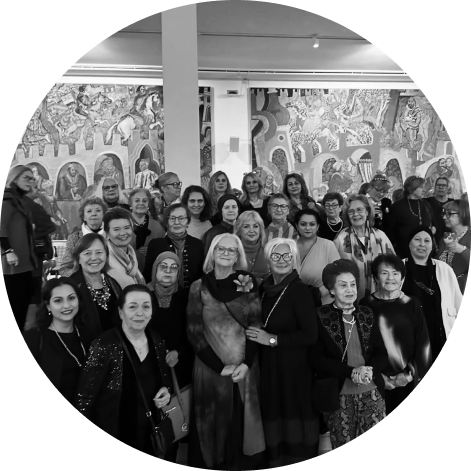
2167 women supported in achieving financial independence.

48 entrepreneurs receiving quality technical assistance.
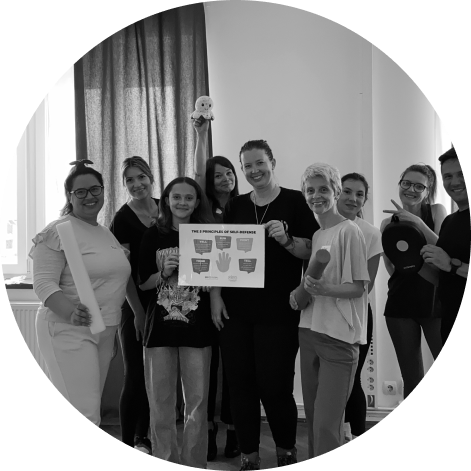
Ratification of the ILO treaty on workplace harassment and violence, benefitting all women workers in Romania.

Over 100 employers have been trained on workplace inclusion in Ireland.
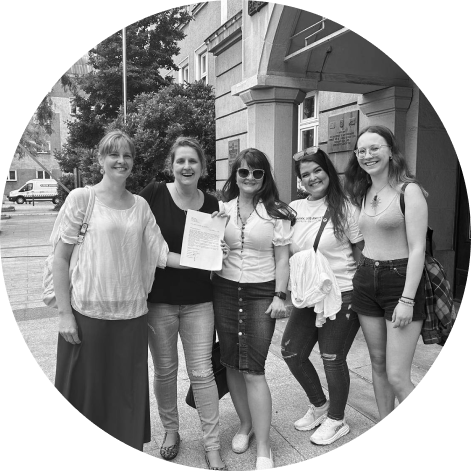
Pay raises for 3,000 care sector employees in the Czech Republic.
Subscribe to our newsletter
Join our community and stay up to date with the latest news, insights, and stories from our work.